A wall mounted radiator has to do more than look right on a drawing. It must deliver the required heat at the planned water temperature, fit the available wall and connect neatly to the heating system. From our perspective as a steel panel radiator manufacturer, useful design improvements are the ones that bring these requirements together.
This article focuses on hydronic steel panel radiators: heat emitters supplied with hot water by a boiler, heat pump or another suitable heating source. Their performance depends on both the radiator design and the system in which they operate.
Appearance that works with the room
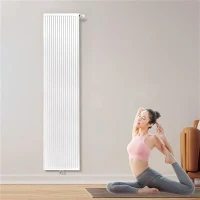
A clean front profile, coordinated side panels and a consistent painted finish can help a radiator sit comfortably within an interior. The practical choices, however, begin with its position. A horizontal model can use the space beneath a window, while a purpose designed vertical model can suit a narrow wall where a long radiator would obstruct furniture.
Neither orientation is automatically better for heating. Compare the output of the exact models and leave the clearances required by their installation instructions. Curtains, furniture and tight enclosures can obstruct airflow. A slim appearance is useful only when the selected radiator still meets the room heat demand.
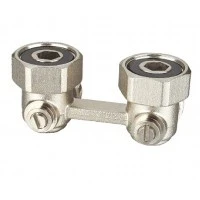
Connections are part of the visual result too. Bottom connections can help keep pipework discreet in a new installation; side connections may better suit an existing pipe layout. Confirm inlet and outlet positions, valve access and the complete projection from the wall before pipework is fixed.
More usable output within the available wall space
Steel panel radiators transfer heat through radiation and convection. Water carrying panels provide heated surfaces, while attached convector fins increase the area available for heat transfer. Panel and fin arrangements therefore matter as much as the dimensions visible from the front.
For example, a Type 22 has two panels and two sets of convector fins; a Type 33 has three of each. At the same height, length and temperature conditions, the deeper Type 33 will generally provide more output. That can help where wall width is limited, but it also changes the depth, filled weight and mounting requirements. Use the model output table to compare the actual options.
Designing for lower water temperatures
Compatibility with lower temperature heating is a sizing question. A radiator that meets a room load on a traditional boiler design may deliver too little heat when the same system is operated at a lower water temperature. A heat pump project should therefore be checked at its intended flow, return and room temperatures from the outset.
For illustration, 75/65/20 °C means 75 °C flow water, 65 °C return water and a 20 °C room. The mean water to room temperature difference is 50 K, commonly written as ΔT50. At 55/45/20 °C, that difference becomes 30 K, or ΔT30. The same radiator will have a lower output at the second condition.
Specify the required output at the real operating condition, then select the panel type and dimensions. Where space allows, a larger emitter surface can help meet the load at a lower water temperature. Whether this improves overall energy use depends on the heat source, controls, building heat loss and commissioning. A radiator material alone does not establish a saving percentage.
Smart control through compatible components
Room control can be improved by pairing a radiator with an appropriate thermostatic valve. A smart thermostat head may add schedules, remote adjustment or other functions through its control platform. These functions belong to the valve and control system; they should not be assumed to be built into a steel radiator body.
Before specifying a smart option, check the valve body and head compatibility, any adapter or gateway requirements, and how room demand is coordinated with the heat source. A bottom connection does not by itself guarantee that a compatible valve insert or smart head is supplied.
Sensor location also matters. A thermostat hidden behind a curtain may sense trapped warm air rather than the occupied room. Where appropriate, a compatible remote room sensor can address that problem. Correct balancing and adequate system flow remain necessary: a smart control cannot make an undersized radiator meet the design load.
Manufacturing details behind a lasting finish
The visible finish is the last stage of a manufacturing process. Steel preparation, weld quality, coating coverage and curing all affect the finished product. From a purchasing perspective, useful evidence includes the specified coating process, inspection criteria and pressure test documentation for the model being ordered.
At SDEN, we use automated welding and a finish process that includes pretreatment, KTL electrophoretic coating and a powder topcoat for our steel panel radiators. Pretreatment helps the coating adhere to the steel; the electrophoretic basecoat and powder finish provide layers of surface protection. For a project specification, ask us for the applicable process and test information for the selected range.
Surface protection and internal corrosion control are separate issues. A durable external finish does not remove the need for suitable system water, control of oxygen ingress and correct maintenance. Persistent water contact on the outside, installation damage or frequent fresh water top ups should not be treated as problems that a coating automatically solves.
Customization with a defined specification
A useful customization brief names the required finish, approved colour sample, dimensions, connections and quantity. Availability should be confirmed for the particular range, together with minimum order requirements and lead time. A bespoke shape or size may require a different design and its own performance confirmation.
For distributors and project buyers, the specification should also cover brackets, valves, packaging, labels and installation information. These items influence how consistently the radiator can be delivered, identified and installed across a project.
Questions to resolve before selection
Can a vertical radiator replace a horizontal one? Yes, if a purpose designed vertical model provides the required output and suits the pipework and mounting position. Do not assume a horizontal radiator can simply be rotated.
Does a smart valve make every radiator suitable for a heat pump? No. It controls room heat delivery, while the radiator still needs sufficient output at the heat pump system design temperatures.
Discuss your project with SDEN
Send SDEN your room heat load or radiator schedule, design water temperatures, available wall dimensions, connection layout and required quantities. Add the target market and finish requirements so that the discussion can focus on a suitable model, its supporting technical data and the supply specification.