Latest Products


Contact Us
- No.7 Xinzhong Road, Jinyun Industry Zone, Lishui, Zhejiang, China
- sales@zjsdsy.com
- service@zjsdsy.com
sndawm@zjsdsy.com (Russian)
+8615905889858
+8615905889868
+8615205889278
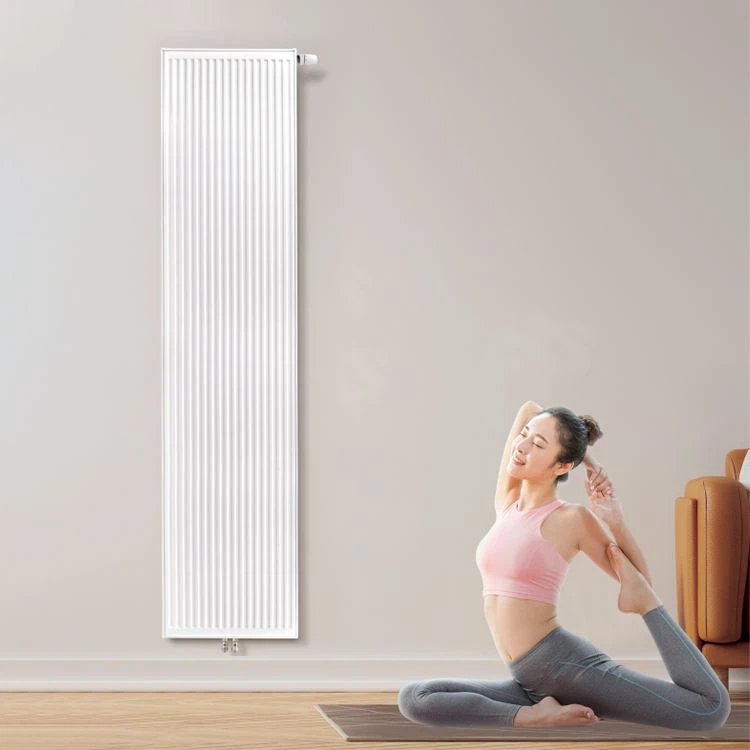
Upright Radiators For Living Rooms
Maximise Wall Space, Maximise Warmth: Introducing our premium Vertical Steel Radiators – the intelligent heating solution for modern spaces where wall real estate is valuable but width is limited. Unlike traditional horizontal radiators that run long and low, our design elegantly ascends vertically, transforming often-underutilised vertical wall space into efficient heat. This makes them the perfect choice for compact areas like narrow hallways, cozy bathrooms, galley kitchens, smaller bedrooms, or efficient office cubicles.
Description
Zhejiang Jinyun Shengda : Your Trustworthy Vertical Heating Radiators Manufacturer!
Established in 1995, our company is an enterprise integrating R & D, manufacturing, and marketing. A radiator supplier with import and export rights. The products are exported to more than 60 countries and regions at home and abroad.
Rich Product
The company mainly produces steel pannel radiator, horizontal radiator, vertical radiator, bathroom radiator, aluminum radiator, valve, accessories, etc.
Wide Product Application
The products produced by our company can be widely used in family (kitchen, living room, bedroom, hotel, study, office heating, hospitals, schools, conference rooms, restaurants, laboratories.
Advanced Production Equipment
At present, the company has two automatic LEAS Steel Panel radiator Super Lines and diverse types of molds. More importantly, we have the world's leading automatic electric electrophoresis coating line.
Quality Assurance
The products produced by our company have obtained CE, ROHS, EN442, ISO9001: 2000 and other certificates, which allows you to use it with peace of mind. And we have 10 years of quality assurance and we have multi -level quality control.
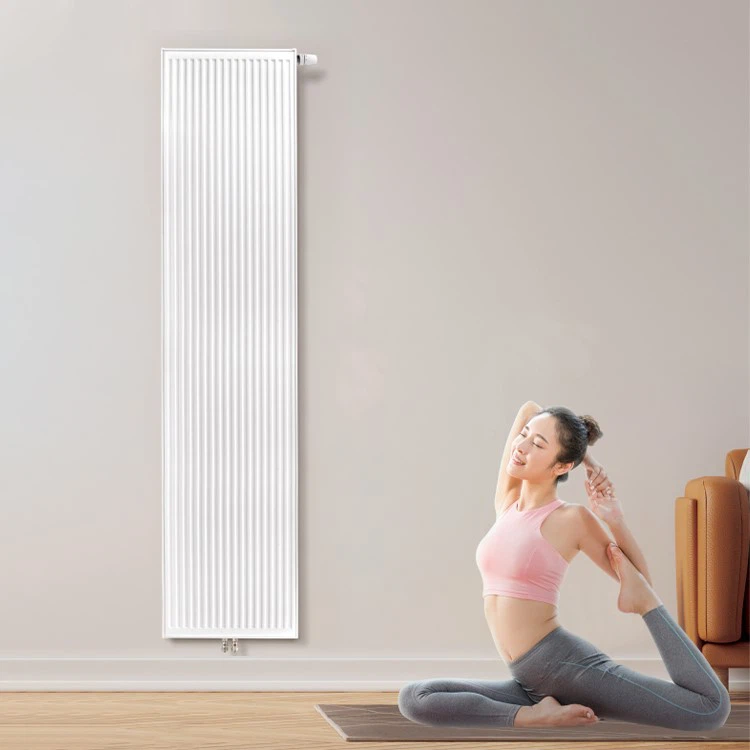
The thin vertical radiator is a space-saving solution that works well in homes with limited wall space. It is designed to be slim and tall, which makes it ideal for narrow hallways, small bathrooms, and other areas where space is at a premium. They are perfect for those who live in apartments where wall space is limited, or for those who want to create more space in their homes. In addition to its practical benefits, the thin vertical radiator also boasts an attractive and modern design that can complement any interior style. It is available in a range of different colours and finishes, meaning that it can be customised to suit your individual tastes and preferences.
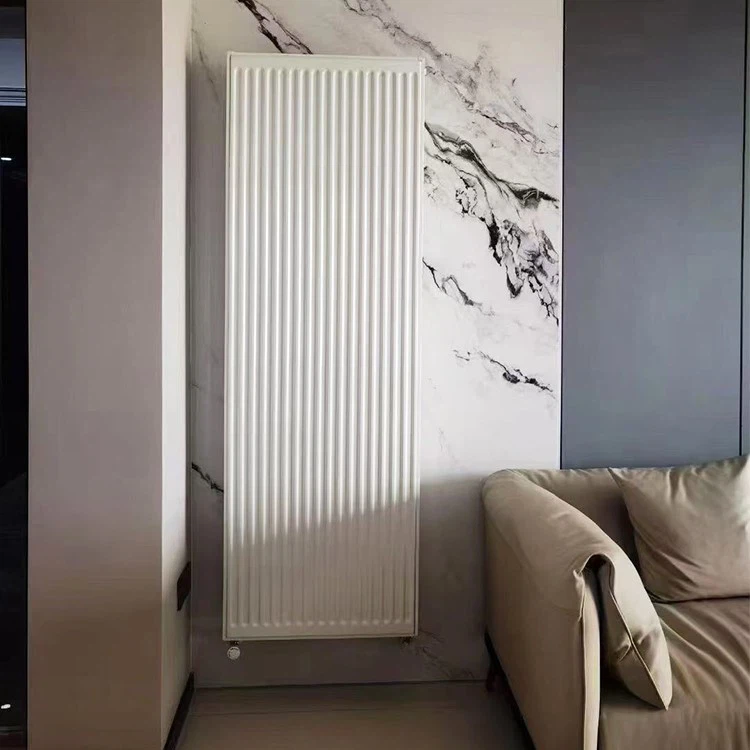
Tall Radiators For Living Room
One of the biggest advantages of tall radiators is their ability to heat up a room quickly and efficiently. This means that you can enjoy a cozy living room without having to wait for hours for the space to heat up. Additionally, tall radiators often have a larger surface area compared to traditional radiators, which means that they can heat up larger spaces and maintain a consistent temperature throughout the room.
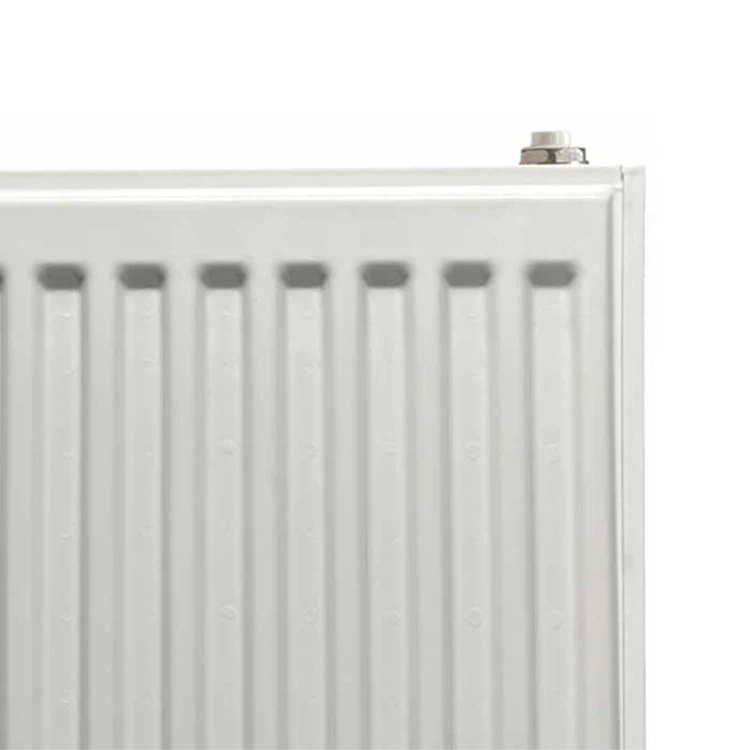

Wall Space Optimization: Free up valuable horizontal wall space for furniture, doors, or decor. Their tall, slim profile fits perfectly onto narrow wall sections where standard radiators simply wouldn't.
Enhanced Aesthetics: Create a striking visual statement. The vertical lines add height and a contemporary, streamlined look to any room, complementing modern decor effortlessly.
Efficient Heating: Strategically designed to provide excellent convective heat distribution throughout the room, effectively warming the space despite its compact form factor. Heat rises naturally along the tall panel.
Features of Vertical Heating Radiators
Slim vertical heating with unshakable safety.
Engineered for narrow walls where every inch counts, these vertically optimized radiators deliver powerful warmth without compromise, anchored by military-grade anti-tilt brackets that defy 200kg of impact force.
E-coated elegance engineered for narrow walls.
Cloaked in eco-cathodic electrophoretic armor that penetrates 20μm deeper than conventional coatings, our space-saving vertical profiles transform tight corridors and bathrooms into corrosion-proof heating masterpieces.
Where compact walls demand secure, corrosion-proof heatin
Despite their slim design, Vertical Heating Radiators have a high heat output, making them an efficient heating solution for any room in your home.
Dual-Anchor Stability System: Horizontal Clamp + Lower Bracket for Vertical Radiators
This dual-anchor system combines an upper horizontal clamp and a reinforced lower bracket for maximum stability. The clamp grips the radiator's spine to prevent side-to-side sway, while the lower bracket resists forward tipping-even under heavy loads. Precision laser-etched guides ensure quick, accurate installation every time. Engineered for safety, it keeps tall radiators securely in place, eliminating tilt risks in homes and offices.
Steel Panel Radiators vs. Old Aluminum Radiators – A Complete Domination
1. Durability: Aluminum Radiators Are "Ticking Leak Bombs"
Steel Panel: Cathodic electrophoretic coating (E-Coating) penetrates 20μm deep, with 3,000-hour salt spray resistance and a 20-year lifespan. No galvanic corrosion, even in mixed-metal systems (e.g., copper pipes).
Aluminum: Electrochemical corrosion is inevitable-especially with copper pipes-leading to leaks in 3-5 years. Repair costs are 3x higher than steel due to frequent failures.
2. Thermal Efficiency: Aluminum's "Quick Heat" Is a Scam – Steel Is Truly Efficient
Steel Panel: Efficient heat output at 60°C water temp (vs. aluminum's 70°C+), saving 10-15% on gas bills. Even heat distribution (±2°C variation), eliminating aluminum's "hot spots" (80°C+ in some areas).
Aluminum: Heats up fast but cools down instantly, forcing the boiler to cycle on/off, wasting energy. Poor heat dispersion-some sections scorch while others stay lukewarm.
3. Safety: Aluminum Radiators Are "Explosion Risks"
Steel Panel: 16+ bar pressure rating (vs. 10-bar national standard), with burst pressure exceeding 40 bar. Zero risk of ruptures-lifetime structural integrity.
Aluminum: Weak weld points-over 8% crack rate after thermal cycling (China's 2023 housing report).Corrosion perforation in hard/alkaline water areas (e.g., Northern China) within 2 years.
4. Installation & Maintenance: Aluminum's "Lightweight" Is a Trap
Steel Panel:Modular design-single panels can be replaced without draining the whole system. No water treatment needed-works in pH 6-9 without corrosion inhibitors.
Aluminum: Full system drain required for repairs-costly and disruptive. Must add anti-corrosion chemicals (yearly maintenance), or risk rapid decay.
How to Choose Vertical Heating Radiators
Size
Consider the size of the room where the radiator will be installed. A larger radiator will be needed for a larger room to ensure adequate heat output. Additionally, take into account the size of the wall space available for the radiator as well as its dimensions.
Heat Output
The heat output of the radiator is measured in British Thermal Units (BTUs) or watts. It's important to choose a radiator with the appropriate heat output for your room size to ensure it heats the room efficiently.
Material
Vertical Heating Radiators are available in a variety of materials including steel, aluminum, and cast iron. Each material has its own unique properties and can affect the cost, durability and weight of the radiator.
Style
Vertical Heating Radiators are available in a variety of styles, from sleek and modern to traditional and ornate. Consider the overall aesthetic of your home and choose a radiator that complements your existing decor.
Features
Vertical Heating Radiators come with additional features such as built-in towel racks, hooks, or shelves. Consider if these features are important to you and if they are beneficial to your heating needs.
Price
Finally, consider the price of the radiator. While vertical radiators can be more expensive than traditional horizontal radiators, they offer many benefits that make them worth the investment.
Benefits of Using Vertical Heating Radiators
Customizable
Vertical Heating Radiators can be customized to fit your specific heating needs. You can choose from a variety of sizes, styles, and colors to find the perfect radiator for your home.
Energy Efficient
Vertical Heating Radiators are energy efficient and can help lower your heating bills. They heat up quickly and retain heat for longer, ensuring your home stays warm and cozy.
Low Maintenance
Vertical Heating Radiators require minimal maintenance and are easy to clean. Simply wipe them down with a damp cloth to remove dust and debris.
Versatile
Vertical Heating Radiators can be used in a variety of settings, including residential, commercial, and industrial properties. They are perfect for any space that requires a modern, space-saving heating solution.
Durable
Vertical Heating Radiators are made from high-quality materials and are built to last. They are designed to withstand the rigors of everyday use and will provide reliable heating for many years to come.
Enhances the Aesthetic Of the Room
Vertical Heating Radiators can be used as a focal point in a room, complementing the overall aesthetic of the room. They can be used in both traditional and modern settings and can be easily customized to match your personal style.
Turn Your Heating Off
The first thing you'll need to do before installing your vertical designer radiators is to ensure that your heating system is completely turned off. This makes it safe for you to get started. If your system is gravity fed, ensure that it doesn't fill with water.
Choose A Position For Your New Vertical Heating Radiators
Before you even start to take your vertical designer radiators out of the packaging, make sure that you choose a space where it won't be in the way of passing people, won't be knocked by doors and is close to the current pipework.
Get Rid Of the Packaging
Next, it's time to remove all of the packagings from your new vertical designer radiators and ensure that you've got everything you need to get started. You should have a drill, measuring tape and pencil close at hand and a floor covering in place if you're concerned about dirt and dust falling as you fix the radiator to the wall.
Add the Brackets
Before trying to place your vertical radiator on the wall, it's better to fit the bracket mounts first. This gives peace of mind that they are in the right position and fully support the radiator before you commit to the installation.
Fit the Valves
Now it's time to fit the radiator valve spigots. This should happen nearest to where your pipework will be. It's also a good idea to have some thread sealant to hand at this stage - PTFE tape is a good choice for this purpose.
How to Clean Vertical Heating Radiators
Turn the Heating Off
In order to remove the radiator, you'll first need to switch your heating off so that you don't scold yourself with the hot water as it is drained into your bucket. Simply turn down the thermostat to zero or switch your boiler off completely.
Use a Vacuum To suck Up the Dust
The aim with your vacuum is to make sure you can gather as much dust and cobwebs from the top and behind the radiator. You might even be able to reach some of the dust from the inside of the radiator but this will depend on the type of attachments you have available with your vacuum cleaner. Don't worry if you can't reach inside the radiator yet though – this is coming next!
Use a Long Stick and Microfibre Cloth
Whilst you can use an extended radiator brushing tool, you might find that it's much easier to create your very own dusting tool to reach the inside of the radiator fins. All you need to do is attach a microfibre cloth to the end of a long thin stick such as a Metre ruler and push it down into the inside of the radiator, being careful not to damage the structure but using speed and force to dislodge all dust particulates.
Use a Hairdryer To Blow Away Excess Dust
You may find that you can remove all of the dirt and dust by simply using the steps above. However, if you're finding that there is still a significant amount of dust inside the radiator, you can try using a hairdryer on its highest setting to blow any of the remaining dust out of the bottom of the radiator.
Use Soapy Water To Clean the Outside
Now to clean the outside of your radiator! Use some washing up liquid mixed into warm water to create a small bucket of soapy water. Using your soapy sponge, simply squeeze out any excess water before wiping down the outside of the radiator and scrubbing away any grease, dirty marks or remaining dust that has accumulated on the outer frame of the unit.
Applications of Vertical Heating Radiators
Residential Spaces
In homes, vertical radiators are often used in living rooms, bedrooms, and hallways where floor space may be at a premium. They can be mounted on internal or external walls and are particularly suited to smaller spaces where a horizontal radiator might obstruct furniture placement or traffic flow.
Commercial Buildings
Offices, retail stores, and other commercial establishments benefit from vertical radiators because they can be placed along walls without taking up valuable floor space, which is essential for business operations and customer movement.
Loft Conversions
Vertical radiators are ideal for loft spaces where ceiling height is greater, allowing the radiator to be positioned lower on the wall without causing inconvenience. This helps to distribute heat more effectively in these typically colder parts of a home.
Narrow Spaces
In corridors or narrow rooms, vertical radiators fit well without protruding too far into the walkway, ensuring both functionality and safety.
Modern Interiors
With their sleek and contemporary designs, vertical radiators complement modern architecture and interior design schemes. They can serve as a stylish feature within a room, especially when paired with designer radiator covers or integrated into custom built-ins.
Bathrooms
Vertical radiators can be used in bathrooms, where they can double as towel warmers. Their upright design keeps them away from splash zones and makes them easier to integrate with bathroom fixtures.
Basements and Cellars
These areas often have limited natural light and can be chilly, making them perfect candidates for vertical radiators. The tall design can help to heat the space more evenly.
Renewable Energy Systems
When paired with renewable energy sources like solar thermal panels, vertical radiators can be part of an eco-friendly heating system that minimizes carbon footprint.
Frequently Asked Questions
Hot Tags: upright radiators for living rooms, China upright radiators for living rooms manufacturers, suppliers, factory, Small Upright Radiator, Short Vertical Radiators, Vertical Radiator, Anthracite Vertical Double Radiator, Tall Living Room RadiatorsVertical Radiators White Double, Triple Vertical Radiator
You Might Also Like