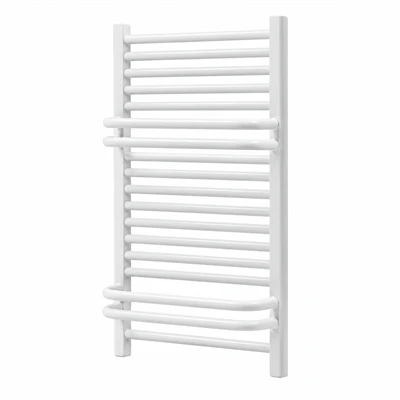
The choice of radiator material has a significant impact on its ability to dissipate heat. Generally speaking, materials with high thermal conductivity and a high surface area to volume ratio are better at transferring heat from the radiator to the surrounding air.
Aluminum is often considered to have excellent heat dissipation properties. Aluminum radiators are lightweight, durable, and have high thermal conductivity, which allows them to quickly transfer heat from the water or steam inside the radiator to the outside air.
Additionally, the high surface area to volume ratio of aluminum radiators allows more heat to be dissipated, making them more efficient.
Another material commonly used in radiators is copper. Copper is also a good conductor of heat and has a high surface area to volume ratio, which makes it an effective material for dissipating heat. However, copper radiators can be more expensive than aluminum radiators, and they are also heavier, which can make installation more difficult.
Other materials that are sometimes used for radiators include steel and cast iron. While these materials are durable and also transfer heat effectively, they generally have lower thermal conductivity than aluminum or copper, which can make them less effective at dissipating heat.
Ultimately, the choice of radiator material will depend on a variety of factors, including the specific application, budget, and personal preference. Cast iron radiators are popular for their durability, but other materials may be suitable depending on the requirements of the system.