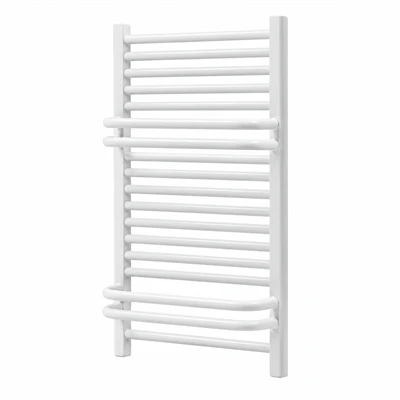
Cast iron radiators are popular for their durability and beauty, but they may leak, crack, and other problems during use. Welding is an effective repair method that can extend the service life of the radiator. Here are some tips for welding and repairing cast iron radiators.
1. Assess the damage
Before starting the welding repair, you must first assess the extent of the damage to the radiator. Determine the specific location and size of the leak or crack, which will help choose the appropriate welding method and material.
2. Cleaning and preparation
Before welding, the surface of the radiator must be thoroughly cleaned to remove oil, rust, and old paint. You can use a wire brush, sandpaper, or chemical cleaner for cleaning. Make sure the welding area is clean and dry to ensure the quality of the welding.
3. Choose the right welding material
Cast iron is a special material that requires special welding materials. Commonly used welding materials include:
- Cast iron welding rod: suitable for welding cast iron materials, with good crack resistance and corrosion resistance.
- Nickel-based welding rod: Suitable for repairing severely damaged cast iron parts, with high strength and toughness.
4. Preheating
Cast iron materials are prone to cracks during welding, so preheating is a very important step. Preheating can reduce the temperature gradient in the welding area and prevent cracks. Generally, the preheating temperature should be between 200-300°C.
5. Welding skills
- Short arc welding: Using short arc welding can reduce heat input and prevent cast iron from overheating and cracking.
- Segmented welding: For longer cracks, segmented welding can be used. After each section is welded, let it cool down before continuing to weld the next section.
- Hammering: During the welding process, you can use a hammer to gently tap the welding area to eliminate welding stress and prevent cracks.
6. Cooling
After welding, the radiator should be allowed to cool slowly. Asbestos cloth or insulation material can be used to cover the welding area to slow down the cooling rate and prevent cracks.
7. Post-processing
After welding, the welding area should be ground and polished to restore the appearance of the radiator. If necessary, it can be repainted to protect the welding area from corrosion.
8. Testing
After the repair is completed, a pressure test should be performed to ensure that there is no leakage in the welding area. Water or compressed air can be injected into the radiator to observe whether there is any leakage.
The above steps can effectively repair the leakage or crack problems of cast iron radiators. However, for serious damage or complex repair work, it is recommended to seek the help of professional technicians to ensure the quality and safety of the repair.
References:
- If there is leakage at the interface from the valve to the radiator, close the valve first, and then tighten the water seepage interface with a wrench.
- The repair method is as follows: 1. Water leakage at the interface from the valve to the radiator This type of fault can also be called a partial installation fault. It is caused by the loosening of the installation parts due to thermal expansion and contraction. At this time, you need to close the valve first, and then tighten the water seepage interface with a wrench.
- There are two main methods for welding radiators: 1. Body welding, which is relatively corrosion-resistant and has a uniform weld scar. No grinding is required after welding. 2. Laser welding, flash resistance welding is the most reliable. Laser welding uses a high-power spot obtained by focusing a laser beam and projects it on the workpiece to convert light energy into heat energy to melt the metal.