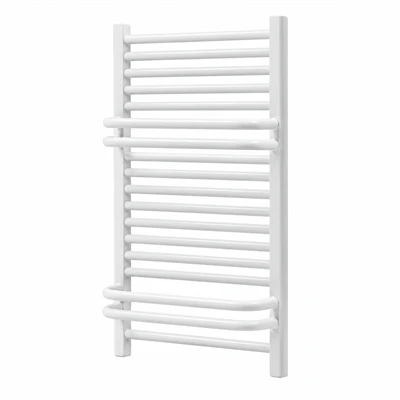
In modern industry, the design and manufacture of radiators are increasingly valued, especially in the fields of electronic equipment and automobiles. Aluminum radiators have become widely used materials due to their advantages such as light weight, good thermal conductivity and strong corrosion resistance. In the production process of aluminum radiators, brazing technology is a key process. This article will introduce the principle and process of brazing of die-cast aluminum radiators in detail.
1. Basic principles of brazing
Brazing is a welding method that uses molten metal to fill the gap between materials to form a strong connection. Unlike welding, the base material of brazing does not melt, but the brazing material is melted by heating and flows into the joint, and the connection is formed after cooling. Brazing can be completed at a lower temperature and is suitable for connecting heat-sensitive materials.
The main principles of brazing include the following aspects:
-Temperature control: During brazing, the brazing material needs to be heated above its melting point, but lower than the melting point of the base material to ensure that the base material does not melt but only locally heats.
- Wettability: The brazing material must have good wettability in the molten state and be able to form a film on the surface of the parent material to fill the joint.
- Surface cleanliness: The success of brazing is closely related to the surface cleanliness of the parent material. The surface is diversified to remove the oxide layer and impurities to ensure good contact.
2. Characteristics of die-cast aluminum
Die-cast aluminum is a material that is formed by injecting aluminum alloy melt into a mold under high pressure and cooling it. It has the following advantages:
- Compact structure: The forming process of die-cast aluminum can make the shape of the parts more complex and the surface smooth, reducing the subsequent processing steps.
- Excellent mechanical properties: The strength and hardness of die-cast aluminum are relatively high, and it is suitable for environments with certain pressure and temperature.
- Lightweight: The low density of aluminum makes the final product lighter and suitable for use in automobiles and electronic equipment.
3. Brazing process of die-cast aluminum radiator
In the manufacturing process of die-cast aluminum radiator, the brazing process is mainly divided into the following steps:
3.1 Pretreatment
Before brazing, the contact surface of the aluminum radiator needs to be cleaned. Chemical cleaning agents are usually used to remove surface oil and oxides to ensure the cleanliness of the welding area. After cleaning, the contact surface should be wiped dry with a clean cloth immediately to prevent re-oxidation.
3.2 Selecting the solder
Choosing the right solder is the key to successful brazing. Commonly used aluminum solders include aluminum silicon alloys and aluminum zinc alloys. When selecting, the compatibility with the parent material and the difference in melting point should be considered to ensure that the solder can flow smoothly into the joint after melting.
3.3 Heating process
The heating method can be selected from resistance heating, induction heating or flame heating. When heating, the entire joint area should be heated evenly to avoid local overheating and deformation of the parent material. The temperature control should be strict, usually between 450℃ and 600℃, and adjusted according to the melting point of the solder.
3.4 Filling solder
When the temperature of the parent material reaches the requirement, fill the molten solder into the joint. The solder should penetrate into the joint under gravity or capillary action to form a good bond. This process takes a certain amount of time to ensure that the solder is fully flowing and filling.
3.5 Cooling and post-processing
After brazing, the joint needs to be cooled to room temperature. Avoid drastic temperature changes during cooling to avoid stress and cracks. After cooling, some post-processing may be required, such as removing excess brazing material and surface treatment to improve the appearance and performance of the radiator.
4. Advantages and disadvantages of brazing
As a connection process, brazing has its own unique advantages and disadvantages.
Advantages:
- Low temperature: The welding temperature of brazing is relatively low and will not affect the overall performance of the aluminum radiator.
- Strong connection: A reasonable brazing process can form a high-strength and corrosion-resistant connection.
- Strong adaptability: It can connect dissimilar metals, expanding the scope of application.
Disadvantages:
- High surface requirements: Brazing requires the surface of the parent material to be diversified and very clean, which increases the preliminary preparation work.
- High technical requirements: Skilled workers and advanced equipment are required to ensure the quality of welding.
5. Future Outlook
With the development of electronic equipment and automobile manufacturing, the demand for radiators continues to increase, and the brazing process of die-cast aluminum radiators will also be more widely used in the future. The development of new materials and new technologies will also promote the advancement of brazing technology and improve the performance and production efficiency of radiators.
The brazing principles and processes of die-cast aluminum radiators involve many aspects, from material selection to welding process, each step is crucial. Understanding these basic principles and process flows will help improve the production efficiency and product quality of radiators and contribute to the development of related industries.