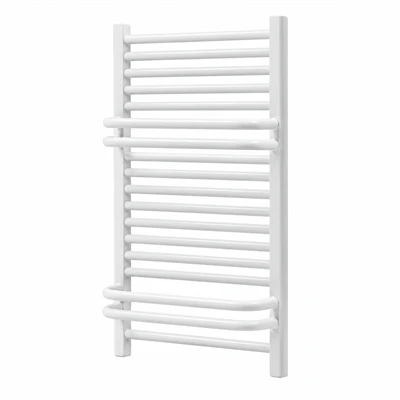
Maintaining clean radiators in your home is essential for both their appearance and efficiency, as these fixtures tend to accumulate dust rapidly, especially in poorly ventilated areas or hard-to-reach spots. Regular cleaning not only keeps them looking fresh but also prevents dust buildup that can hinder heat distribution, potentially increasing energy consumption and utility costs. Here's a detailed, easy-to-follow guide to cleaning radiators effectively, tailored for different types and scenarios.
1. Why Regular Radiator Cleaning Matters
While radiators might seem resilient to dirt, a thick layer of dust on their surfaces or fins can significantly reduce heating performance. Over time, dust acts as an insulator, forcing radiators to work harder and longer to warm a room. This inefficiency not only raises energy bills but also shortens the lifespan of the appliance. Whether you have modern designer radiators or classic column styles, routine cleaning ensures optimal functionality and cost savings.
2. Essential Tools for Cleaning Radiators
Before starting, gather these supplies:
Soft duster or microfiber cloth
Mild soap, water, and a sponge (or soft cloth)
Radiator brush (long-handled, flexible brush for tight spaces)
Vacuum cleaner with brush and narrow nozzle attachments
Not all tools are mandatory, but they enhance effectiveness. Adjust based on what's available.
Step 1: Cleaning the Radiator Exterior
Safety First: Turn Off the Radiator
Ensure the radiator is cool to the touch by switching off the heating system. This prevents burns and reduces static attraction of dust during cleaning.
Vacuum Surface Dust
Use a vacuum with a soft brush attachment to gently remove loose dust from the radiator's surface, sides, and surrounding walls/floor. This preps the area for deeper cleaning and avoids spreading dust.
Wash with Soapy Water
For a thorough clean, mix warm water with a few drops of mild dish soap. Dampen a sponge (wring out excess water) and wipe the radiator's surface in gentle strokes. Rinse the sponge regularly and dry with a clean cloth. Note: For electric radiators, consult the manual for specific cleaning guidelines.
Step 2: Cleaning Behind the Radiator
Reaching behind radiators can be challenging, but these methods work without disassembly (though removing the radiator provides full access):
Use a Radiator Brush: Slide the brush behind the radiator to dislodge dust in narrow gaps between the fixture and the wall.
Vacuum with a Narrow Nozzle: Attach a crevice tool to your vacuum to suction dust from behind, focusing on top, sides, and underneath.
Multi-Angle Cleaning: Work from all sides to ensure no dust pocket is missed. If debris falls to the floor, vacuum or sweep it up afterward.
Step 3: Cleaning Inside the Radiator (for Panel or Grille Models)
For radiators with multiple panels or top grilles (common in double-panel or flat-top designs), dust can accumulate between convectors:
Remove the Radiator grill (if present)
Slap the side panels firmly upwards to make both side panels slide out, then take off the top cover. After cleaning, reassemble the side panels and top cover of the radiator using the same method.
Clean Between Panels and Fins
Vacuum with Brush Attachment: Gently run the brush along the convectors from top to bottom, avoiding bending them.
Manual Brush Option: Use a soft-bristled brush to dislodge stubborn dust, then vacuum the debris that falls.
Clean the Cover and Grille
Wipe the cover and grille with a damp cloth, rinse if needed, and dry completely before reattaching. Ensure all components are secure to prevent rattling.
Step 4: Cleaning Radiators with Top Grilles
For models with a top grille (common in modern designs):
Remove the Grille: Unscrew or unclip the grille (check for hidden fasteners). Handle carefully to avoid damaging clips.
Vacuum Internal Fins: Use the brush attachment to clean dust from the fins, working systematically from top to bottom.
Clean and Reattach the Grille: Wipe the grille with a damp cloth, dry it, and secure it back in place. Test for stability.
SDEN Radiators Display
High Heat Output & More Energy Saving


3. Tips for Maintenance
Frequency: Clean radiators every 3–6 months, or more often in dusty households.
Preventive Dusting: Use an electrostatic duster regularly to minimize buildup.
Check for Blockages: Ensure furniture or curtains don't obstruct airflow around radiators, as this traps dust and reduces efficiency.