

When it comes to choosing between horizontal and vertical radiators, there is no one-size-fits-all answer. Both types of radiators have their unique advantages and disadvantages, which can make one more suitable than the other depending on your specific needs and circumstances. In this article, we will delve into the key differences between horizontal and vertical radiators, helping you make an informed decision.
Horizontal Radiators
Horizontal radiators are designed to be installed along the length of a wall, typically below windows or along the base of walls. They are among the most common types of radiators found in homes and buildings.
Advantages
1. Aesthetic Appeal: Horizontal radiators often have a sleek, modern design that can complement a wide range of interior styles.
2. Space Efficiency: They can be installed in narrow spaces where vertical radiators might not fit, such as under windows.
3. Even Heat Distribution: Horizontal radiators tend to provide more even heat distribution across a room, as they cover a larger surface area.
4. Versatility: They are available in various sizes and finishes, making it easy to find one that suits your specific requirements.
Disadvantages
1. Height Limitations: Horizontal radiators may not be ideal for rooms with high ceilings, as they do not project heat upwards effectively.
2. Installation Complexity: Installing horizontal radiators can be more complex, especially if they need to be mounted on uneven surfaces.
3. Potential Obstructions: Furniture and other objects can obstruct horizontal radiators, reducing their efficiency.
Vertical Radiators
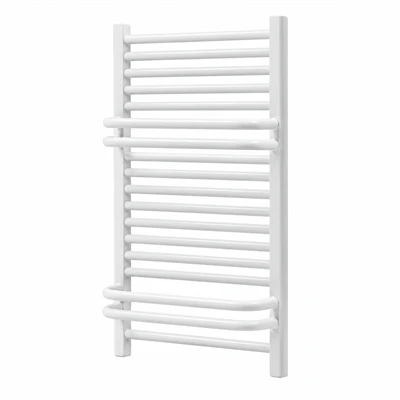
Vertical radiators, as the name suggests, are designed to be installed vertically along a wall. They are becoming increasingly popular due to their unique design and space-saving benefits.
Advantages
1. Space-Saving: Vertical radiators take up less floor space, making them ideal for small rooms or areas with limited space.
2. Heat Projection: They can project heat upwards more effectively, which can be beneficial in rooms with high ceilings.
3. Modern Design: Vertical radiators often have a contemporary look that can enhance the aesthetic appeal of a room.
4. Ease of Installation: They are generally easier to install, as they require fewer mounting points and can be placed against flat surfaces.
Disadvantages
1. Heat Distribution: Vertical radiators may not distribute heat as evenly as horizontal radiators, potentially leading to hot spots in a room.
2. Height Requirements: They require sufficient wall height to be installed properly, which can be a limitation in certain spaces.
3. Limited Design Options: While there are many stylish vertical radiator designs available, the variety may not be as extensive as that of horizontal radiators.
Choosing the Right Radiator for Your Needs
When deciding between horizontal and vertical radiators, consider the following factors:
- Room Size and Layout: Evaluate the dimensions of the room and the available wall space. Horizontal radiators are often better suited for larger rooms, while vertical radiators can be more appropriate for smaller spaces.
- Ceiling Height: Rooms with high ceilings may benefit more from vertical radiators, as they can project heat upwards more effectively.
- Aesthetic Preferences: Consider the overall design and style of your home. Both horizontal and vertical radiators come in a variety of finishes and designs to match different interior aesthetics.
- Heat Distribution Requirements: If even heat distribution is a priority, horizontal radiators may be the better choice. However, if you need to save floor space, vertical radiators could be more suitable.
Conclusion
In conclusion, both horizontal and vertical radiators have their own set of advantages and disadvantages. The best choice depends on your specific needs, room characteristics, and personal preferences. By carefully considering these factors, you can select the type of radiator that will provide optimal comfort and efficiency in your home.
Horizontal Radiators vs. Vertical Radiators: Which Is Better?
Popular Products
-
![Flat Line Panel Steel Radiators]() Flat Line Panel Steel RadiatorsAvailable in a variety of styles, there are with one to suit your home! This high-heat-output radiator features aread more
-
![E Steel Panel Radiator]() E Steel Panel RadiatorProducts Description Tired of damp clothes lingering for days in rainy seasons? Struggling with dry air or unsaferead more
-
![Upright Radiators For Living Rooms]() Upright Radiators For Living RoomsMaximise Wall Space, Maximise Warmth: Introducing our premium Vertical Steel Radiators – the intelligent heatingread more
-
![Towel Radiator Modern]() Towel Radiator ModernThe primary function of a towel radiator is to enhance the comfort and convenience in a bathroom by providing warm, dryread more


Send Inquiry