

Hot water radiators are a common heating solution in many homes and buildings, providing efficient and reliable warmth during colder months. However, like any heating system, they come with certain risks and safety concerns. In this article, we will explore the potential dangers associated with hot water radiators and discuss how to mitigate these risks to ensure safe operation.
Potential Dangers of Hot Water Radiators
1. Scalding Risk
- One of the most significant dangers associated with hot water radiators is the risk of scalding. Radiators can reach high temperatures, and direct contact with the surface can cause burns, especially in children and elderly individuals who have more sensitive skin. The risk is higher if the radiator is not properly insulated or if there are exposed hot surfaces.
2. Leakage and Flooding
- Hot water radiators operate under pressure, and any damage or wear to the system can lead to leaks. A small leak can cause water damage to floors and walls, while a major rupture can result in significant flooding and property damage. Regular maintenance and inspection can help identify and address potential issues before they become serious problems.
3. Carbon Monoxide Poisoning
- While hot water radiators themselves do not produce carbon monoxide, the boilers that heat the water can pose a risk if they are not properly maintained. Carbon monoxide is a colorless, odorless gas that can be deadly if inhaled in high concentrations. Ensuring that your boiler is serviced regularly and installing carbon monoxide detectors in your home can help prevent poisoning.
4. Fire Hazard
- Although rare, hot water radiators can pose a fire hazard if flammable materials are placed too close to them. Items such as curtains, furniture, or paper can ignite if they come into contact with the hot surface of the radiator. It is important to keep a safe distance between radiators and any combustible materials.
5. Electrical Hazards
- Some modern hot water radiators are equipped with electrical components, such as thermostatic controls or timers. If these components are not installed or maintained correctly, they can pose an electrical hazard. Ensuring that all electrical connections are secure and up to code can help prevent accidents.
Mitigating the Risks
1. Regular Maintenance
- Regular maintenance is crucial for ensuring the safe operation of hot water radiators. This includes inspecting the system for leaks, checking the pressure, and cleaning the radiators to remove any buildup of debris or rust. Professional servicing should be carried out at least once a year.
2. Proper Installation
- Proper installation is essential for minimizing the risks associated with hot water radiators. Ensure that the radiators are installed by a qualified professional who follows all relevant safety standards and regulations. This includes proper insulation to reduce the risk of scalding and correct placement to avoid fire hazards.
3. Safety Features
- Modern hot water radiators often come with built-in safety features, such as thermostatic valves and pressure relief valves. These features help regulate the temperature and pressure within the system, reducing the risk of overheating and leaks. Make sure to use these features and understand how they work.
4. Education and Awareness
- Educating household members about the potential dangers of hot water radiators and how to use them safely is important. This includes teaching children not to touch the radiators and keeping flammable materials away from the heating units.
5. Emergency Preparedness
- Having an emergency plan in place can help minimize the impact of any incidents. This includes knowing how to shut off the heating system in case of a leak or malfunction, and having a fire extinguisher and first aid kit readily available.
In conclusion, while hot water radiators can pose certain risks, these can be effectively managed through regular maintenance, proper installation, and awareness of safety guidelines. By taking the necessary precautions, you can enjoy the benefits of a warm and comfortable home without compromising your safety.
Are Hot Water Radiators Dangerous?
Popular Products
-
![Flat Line Panel Steel Radiators]() Flat Line Panel Steel RadiatorsAvailable in a variety of styles, there are with one to suit your home! This high-heat-output radiator features aread more
-
![E Steel Panel Radiator]() E Steel Panel RadiatorProducts Description Tired of damp clothes lingering for days in rainy seasons? Struggling with dry air or unsaferead more
-
![Upright Radiators For Living Rooms]() Upright Radiators For Living RoomsMaximise Wall Space, Maximise Warmth: Introducing our premium Vertical Steel Radiators – the intelligent heatingread more
-
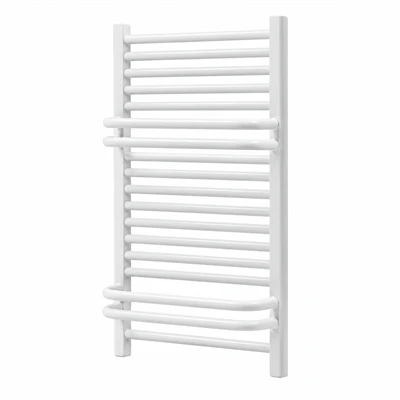
![Towel Radiator Modern]() Towel Radiator ModernThe primary function of a towel radiator is to enhance the comfort and convenience in a bathroom by providing warm, dryread more


Send Inquiry